


Facts and Tips on Language Development

Language Development: How Language Develops
In the first months of life, language development in children begins even in the womb. The ability to understand and produce language continues to develop from birth onward. During the first year of life, children learn primarily by listening to and imitating the language around them. Starting around their first birthday, children begin to say their first words and can form their first sentences by about 18 months. By the age of two, children are able to formulate more complex sentences and build a larger vocabulary. By age three, they can already tell entire stories, and by age four, children have mastered the grammar of their native language nearly perfectly.
To support a child’s healthy language development, there are a few tips parents should keep in mind. These include, for example, talking to the child frequently and listening to them when they speak. Reading aloud and singing are also important ways to support language development. Additionally, specific games designed to promote language skills can be used, such as charades or looking at picture books. Overall, it is important for parents to be patient and give their child time to develop their language skills. Every child has their own pace and their own strengths when it comes to language development. However, through loving support and encouragement, parents can help ensure that their child develops strong language skills.
During the first year of life
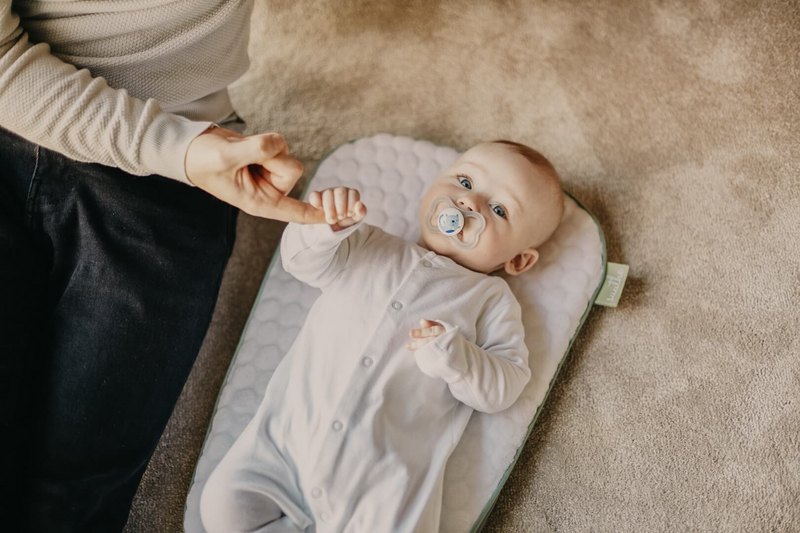
An incredible amount happens in terms of language development during a child’s first year of life. As early as the second month, a baby begins to make sounds, and by the fourth month, they can form individual syllables such as “ma” or “da.” By the sixth month, children begin to produce strings of babbling sounds that are often still difficult for adults to understand. Between the eighth and twelfth months, babies often say their first words, such as “Mama” or “Papa.” It’s important for parents to talk to their child a lot during this phase and to listen to them. Even if the child doesn’t yet understand everything or can’t form complete sentences on their own, this helps them become familiar with language at an early age and motivates them to speak for themselves. Language-development games can help expand the child’s vocabulary and improve their pronunciation.
Starting at 1 Year
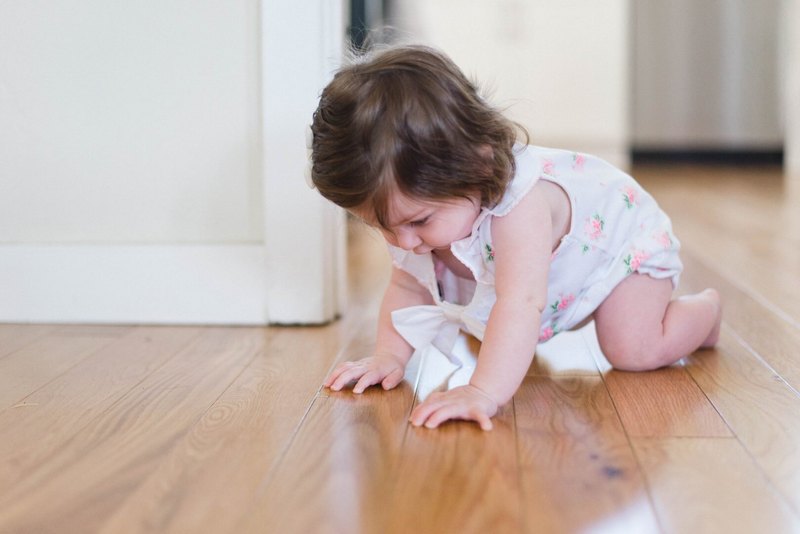
Starting at age one, a child’s language skills develop rapidly. Their vocabulary continues to grow, and they begin to form their first sentences. By age one, children can already understand and follow simple instructions. It is important for parents and caregivers to continue talking to their child a lot and listening to them during this phase. Reading books aloud can also promote language development. If a child mispronounces a word, you should not correct them, but rather repeat the word correctly. This way, the child learns on their own how to pronounce it correctly. It’s also important to give the child time to speak and not constantly interrupt them or speak for them. With patience and attention, you can positively influence a child’s language development starting at age one.

Starting at 18 months
Starting at 18 months, language development in toddlers enters a new phase. At this age, children can already say individual words and simple sentences to express their needs and desires. They also begin to actively listen and understand what adults are saying. It is important for parents and caregivers to continue talking with their children during this phase and to help them improve their language skills. One way to do this is to ask the child simple questions or encourage them to tell stories. It is also helpful to read picture books to the child or sing songs together. This promotes the child’s language comprehension and strengthens their ability to communicate. However, parents should be careful not to put too much pressure on the child or overwhelm them. Language development should always be playful and age-appropriate.
Ages 2 and up
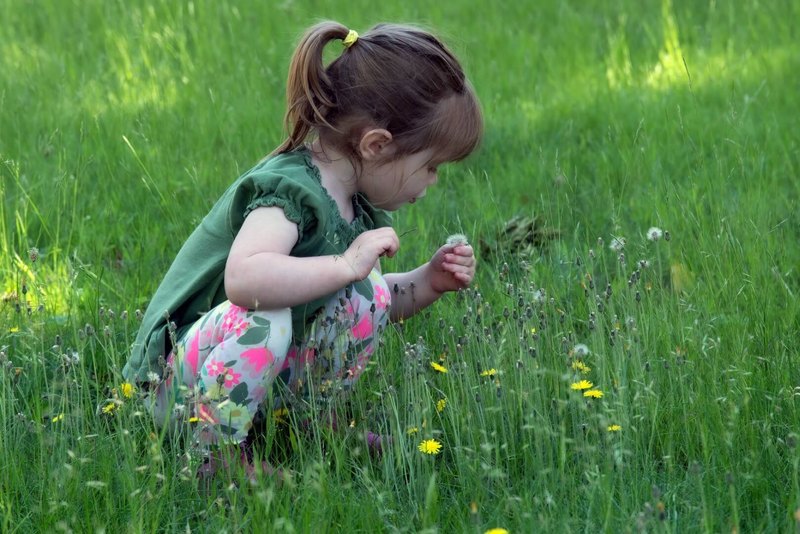
For many children, a particularly exciting phase in their language development begins at age 2. This is because they are now able to express themselves better and better and understand more and more of what is being said around them. Some children are already speaking in complete sentences, while others enjoy telling stories about their experiences. However, not every child develops at the same pace, and that is completely normal. It’s important for parents to remain patient and support their children by talking to them a lot and asking them questions. Language-development games—such as naming objects or imitating animal sounds—can also help promote language development. However, it’s important to remember that every child is unique and develops at their own pace. Therefore, parents should avoid comparing their child to others and instead support and encourage their own child in their development.

Ages 3 and up
Starting at age three, many children experience a significant leap in language development. Children can now form longer sentences, and their grammar becomes increasingly complex. Their pronunciation also improves significantly, making it easier for strangers to understand them. However, individual differences in language development can still be evident even at this age. It is therefore important for parents to ensure that their child receives sufficient language stimulation and to give them enough time to speak. Language-development games are also still very important at this age and can positively influence a child’s language development. For example, memory games or picture puzzles can help a child learn new words and use them correctly later on. Role-playing and storytelling also promote a child’s language skills and help them become more confident when interacting with others.
Ages 4 and up
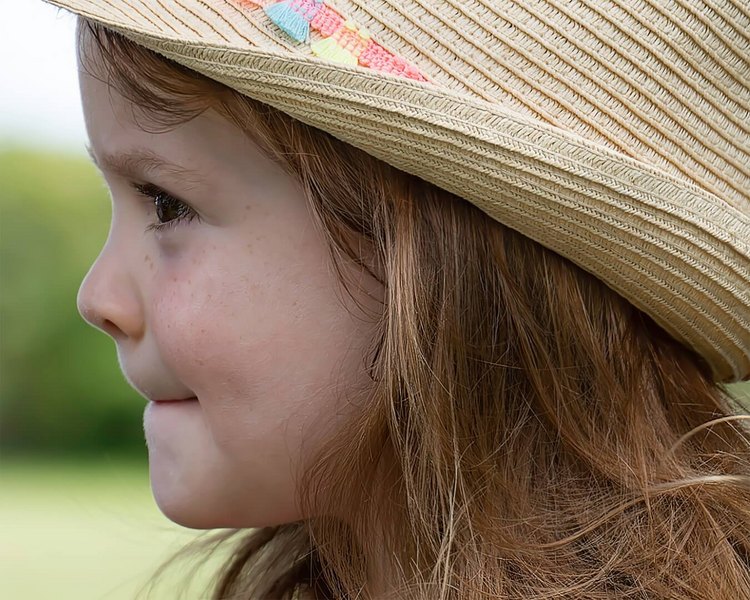
Starting at age four, children’s language development continues to progress. Children can now form longer sentences, and their pronunciation becomes increasingly clear. Their vocabulary also expands steadily. Parents should make sure to continue giving their child plenty of time to speak and avoid interrupting them or speaking for them. It is important for the child to learn to speak independently and express their thoughts. Games that promote language development, such as role-playing or storytelling, can help with this. Reading books together can also expand vocabulary and stimulate the imagination. If parents notice that their child is having difficulty speaking, they should not hesitate to consult a doctor or speech-language pathologist. Early intervention can address potential speech and language development issues and enable the child to communicate effectively.

10 Tips for Healthy Language Development
- Games are an excellent way to support children’s language development. They allow you to introduce children to language in a playful way while sparking their enthusiasm. Here are some tips for games that promote language development:
- Look at picture books and talk about them together.
- Sing songs and recite rhymes together.
- Play memory games with pictures and words.
- Play charades, in which children must express their thoughts without using words.
- Engage in role-playing games where children portray different characters and must talk to one another.
- Telling stories or fairy tales fosters a child’s imagination and stimulates their creativity.
- A game in which the child must name objects they see or touch.
- A treasure hunt with clues in the form of riddles or descriptions of the objects being sought improves the child’s understanding of context and enhances their language skills.
- Word games such as “I Spy” or “I’m Packing My Suitcase” improve the child’s memory and concentration, as well as their vocabulary and grammar skills.
- A game in which you draw a picture together while discussing the story helps the child express their imagination and creativity.
Games for Language Development
Games for language development are an excellent way to support children’s language development. It’s not just about children learning new words or improving their pronunciation, but also about fostering their cognitive skills and self-confidence.
Playing is an especially important method for language development between the ages of 2 and 4. Children can learn new words and sentences in a playful way, for example, by looking at picture books and naming what they see, or by playing simple board games that require them to interact with one another.
Role-playing or reenacting everyday situations can also be very helpful, as these activities allow children to apply and expand their language skills. It’s always important that the games are age-appropriate and fun. This way, language development becomes a positive experience for the children, and they are motivated to continue engaging with language.
Photo credits: